Finally, a New Hope for Endometriosis - Non-Hormonal Treatment Cleared for Human Trials
For decades, only hormones, painkillers and surgery have been offered to manage this painful and progressive disease
If you buy through our links, we may earn a small fee at no extra cost to you

ENDO-205, a new groundbreaking non-hormonal treatment for endometriosis, has been cleared to enter human trials. Photo: Unsplash
For the 190 million women and girls worldwide living with endometriosis, the daily reality of this progressive disease is defined by high pain levels, bone-crushing fatigue and symptoms that spread far beyond the pelvic region. Curative treatment has not existed - until now.
A groundbreaking treatment called ENDO-205 has been cleared by the US Food and Drug Administration (FDA) for its first Phase 1 clinical trial (in humans) after showing promise in lab studies.
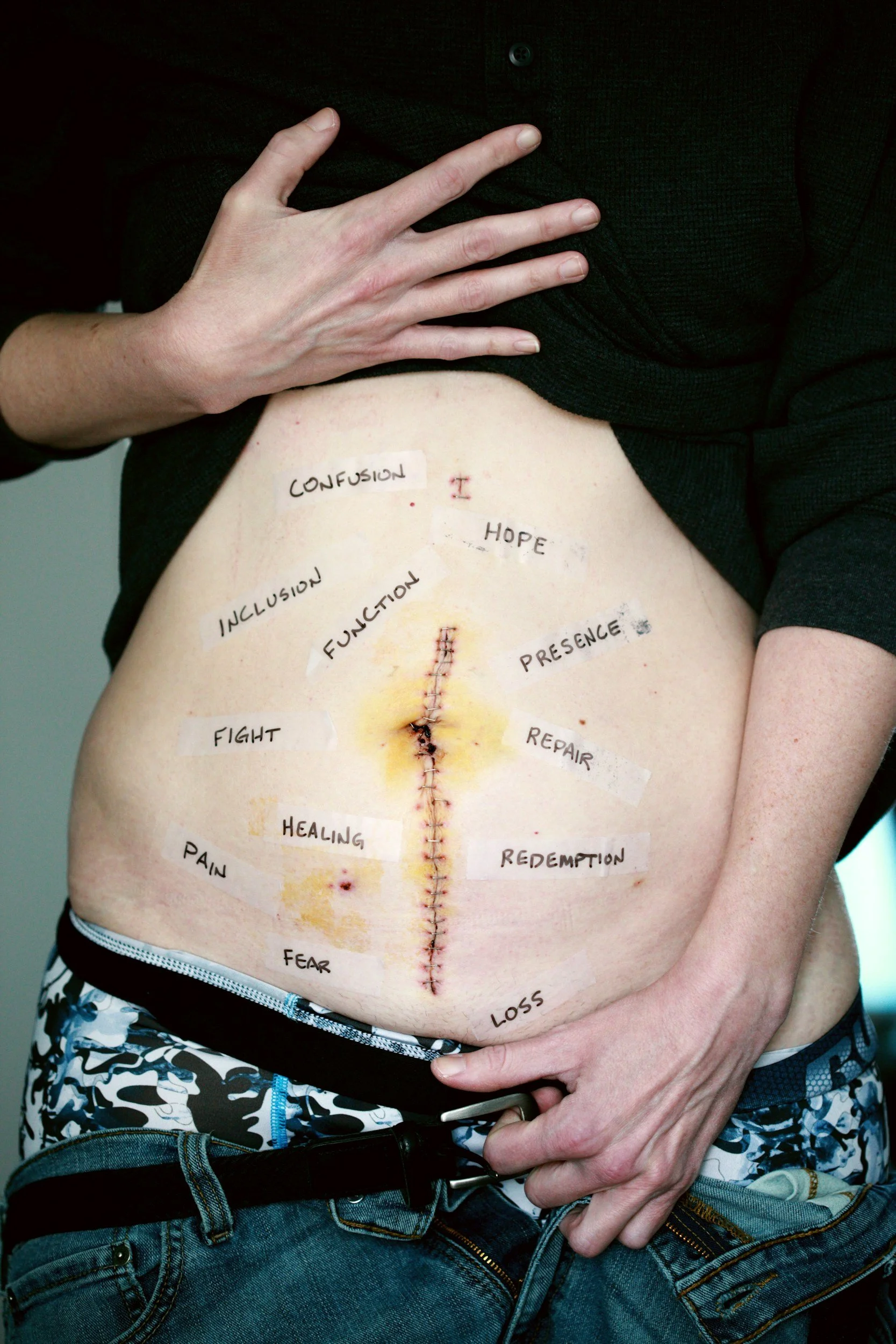
Endometriosis occurs when tissue similar to the lining of the uterus grows outside of it, causing severe pain, scarring, and infertility. It is a progressive disease that can also increase the risk of other health complications, including chronic inflammatory conditions. Because there is currently no cure, patients are often left trapped in a cycle of recurring pain and repeated surgeries. Photo: Unsplash
Until now, endometriosis management has typically involved inducing chemical menopause in young women, patients having to take high-dose progesterones or contraceptive pills for years with unpleasant side effects, as well as often repeated and typically unsuccessful surgeries where the disease’s lesions are lasered or cut away, only to return within months.
What Makes ENDO-205 Different?
EndoCyclic Therapeutics’ new non-hormonal medication, which will be trialled in healthy women of reproductive age after a decade of research, was found to directly target the underlying biology driving the disease. The new targeted peptide treatment is engineered to act only within the diseased tissue itself.
In early lab studies, ENDO-205 successfully eliminated endometriosis lesions and the painful inflammation surrounding them without manipulating hormones, altering the immune system, or causing widespread toxicity in the body.
Simply put, it is set to destroy the diseased cells and leave everything else exactly as it should, meaning test subjects and hopefully one day patients worldwide should have far reduced side effects, and better success during treatment.
History of Endometriosis Treatment
Until now, all the ways surgeons and doctors have had to hand for helping women suffering the progressive condition that also often destroys fertility and causes damage to organs have left patients with difficult side effects that have added to their daily distress.
This writer has severe endometriosis and had four keyhole surgeries to laser away the visible lesions, but this didn’t stop the adhesions - thick fibrous bands that caused my womb, fallopian tubes, ovaries, bowel, and bladder to stick together - from returning within days. The lesions also reappeared within months.
By the age of 26, after an 11-year diagnostic odyssey where I suffered invasive treatments to my spine because nobody believed my pain was coming from my ovary, 95% of my fertility had already been destroyed by endometriosis.
Subsequent surgeries were painful and ultimately in vain until I had the gold-standard excision surgery to cut out the deep infiltrating disease, and was placed on high-dose progesterone for more than a decade, which admittedly brought its own difficulties.
And that’s why this new medication trial is so important for people living with this awful disease.
‘Endometriosis has seen limited true innovation for decades, with treatments focused primarily on managing symptoms rather than addressing the underlying disease,’ said Dr Tanya Petrossian, CEO of EndoCyclic Therapeutics, which has created ENDO-205. ‘At EndoCyclic, we live and breathe endometriosis. It has taken more than a decade of focused research and an entirely new scientific path to establish that there is not only a non-hormonal approach, but that it is the only way forward.
‘We have made breakthrough discoveries in the pathobiology of the disease, and our data show that we can safely eliminate endometriosis quickly and effectively across all subtypes. Women deserve treatment options that go beyond surgery or hormones, therapies that truly address the disease while preserving quality of life. ENDO-205 has the potential to deliver exactly that, a safe, effective, and transformative solution for women living with endometriosis.’
Why This Matters for the Pain Community
ENDO-205’s promise lies in its potential to actively shrink and destroy the painful lesions at the root of the condition, rather than just masking the symptoms like hormonal offerings currently do.
The innovative approach has already gained widespread support from the scientific community, recently receiving a rare "perfect 10" impact score on a commercialisation readiness grant from the National Institutes of Health (NIH).
Dr Tanya Petrossian adds, ‘We are thrilled to advance ENDO-205 into the clinic as we pioneer the future of endometriosis care and move closer to bringing patients a much-needed treatment for endometriosis. This milestone marks an important step forward for the more than 190 million girls and women worldwide affected by endometriosis, which remains one of the most overlooked diseases in medicine.’
As ENDO-205 officially moves into human clinical trials, hopefully, one day, patients worldwide could experience far fewer side effects and much greater treatment success.
For more information on endometriosis, visit Endometriosis UK.
Next, learn how to make doctors take your pain seriously.